


Cardiac arrhythmias

Cardiac arrhythmias are a set of conditions that involve an abnormal heart rhythm, either less often (bradyarrhythmias) or faster (tachyarrhythmias). Depending on their origin, arrhythmias can be supraventricular (when they occur on the upper floor of the heart) or ventricular (when they occur on the lower floor of the heart). They can have a variable duration, from a few seconds-minutes (paroxysmal character) to a permanent character.
Arrhythmias can also occur in patients without heart disease (on the normal heart) but more often they are triggered in patients with pre-existing heart disease, congenital (birth) or acquired during life.
Content
- What are cardiac arrhythmias?
- Why do heart arrhythmias occur?
- Symptoms of cardiac arrhythmias
- Diagnosis of cardiac arrhythmias
- Methods of treatment of cardiac arrhythmias
What are cardiac arrhythmias?
Cardiac arrhythmias are an extremely heterogeneous group of conditions.
Of these, some can be very serious, leading to the death of the patient very quickly from the onset of arrhythmia in the absence of emergency drug treatment or emergency medical intervention; external electric shock for tachycardia / ventricular fibrillation or temporary pacemaker for bradyarrhythmias with hemodynamic instability.
Early diagnosis, identification of a possible cause and prompt treatment ensure an increase in the patient's quality of life and survival.
Why do heart arrhythmias occur?
Cardiac arrhythmias can occur spontaneously but can be triggered by many factors, including: 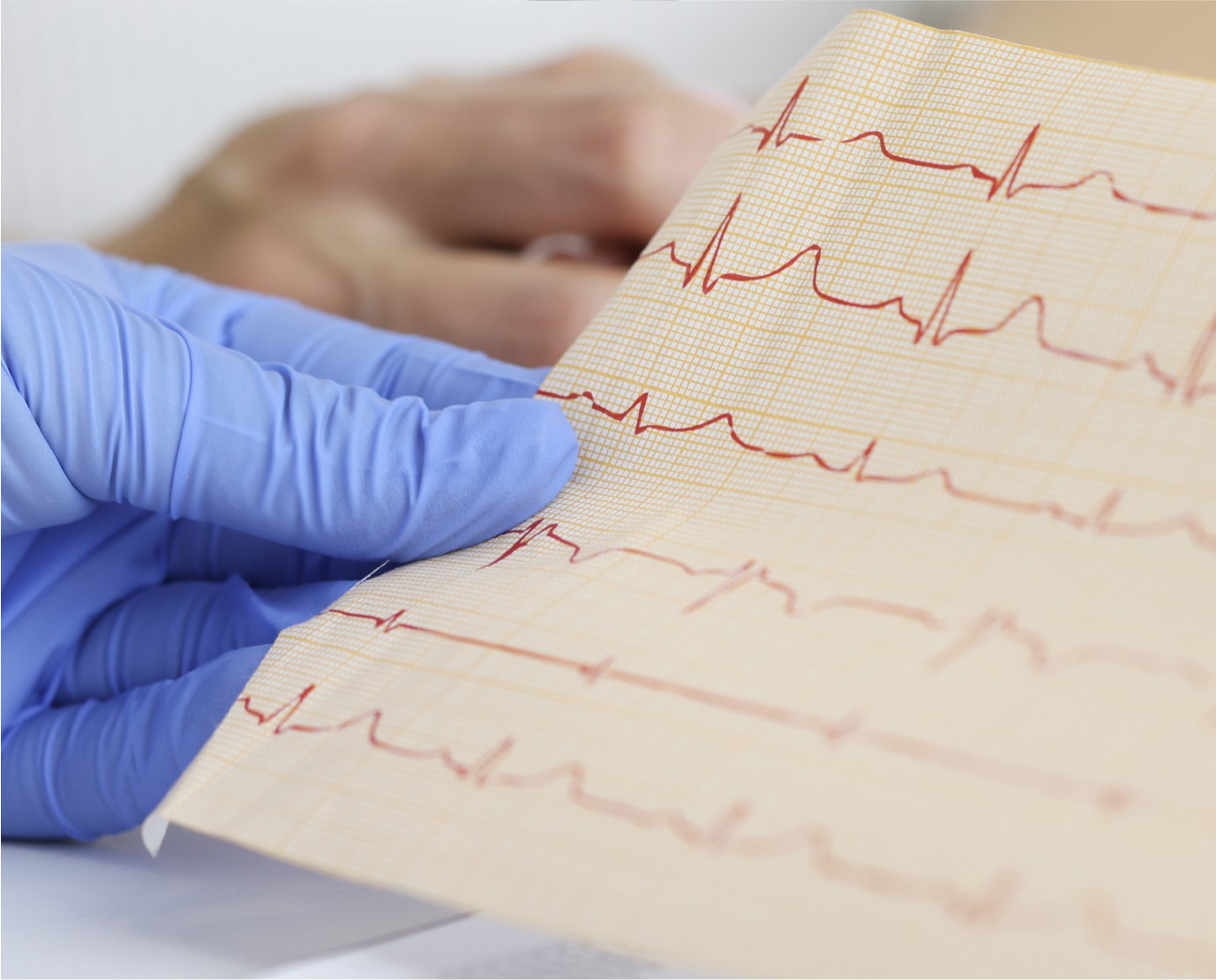
- Emotional stress
- Alcohol
- Smoking
- Intense physical exertion
- Drug uncontrolled hypertension
- Cardiac or extracardiac drugs
- Constituted heart disease
- Endocrinological disease (eg thyroid pathology)
Symptoms of cardiac arrhythmias
The symptoms of cardiac arrhythmias are frequently represented by:
- Palpitations with regular or irregular fast rhythm with variable duration
- Dyspnoea (shortness of breath)
- Fatigue (fatigue)
- Dizziness
- Faint
Diagnosis of cardiac arrhythmias
The diagnosis of cardiac arrhythmias is made by a specialist. It is based on the anamnesis (data obtained from the patient), the patient's physical examination (which may be normal) and paraclinical investigations. Of these investigations, the electrocardiogram is the most useful for diagnosis. However, if the arrhythmias are short-lived, and/or occur at variable intervals, a simple electrocardiogram is not enough. Thus, Holter monitoring ECG / 24 hours or even several days records all heartbeats and highlights pathological changes. The cardiological evaluation must be completed with an imaging examination: echocardiography or cardiac magnetic resonance. Also, laboratory tests are mandatory.
Methods of treatment of cardiac arrhythmias
The treatment of cardiac arrhythmias is different depending on the nature of the arrhythmia and customized according to each patient.
Thus, bradyarrhythmias often require the implantation of a pacemaker.
Tachyarrhythmias require drug treatment with various classes of cardiac therapies. Depending on the particularities of tachyarrhythmia but also on the associated diseases, tachyarrhythmias require invasive procedures (electrophysiological study and ablation), and in certain situations implantation of a cardiac defibrillator (ventricular tachycardia / ventricular fibrillation).
The article was written by Dr Diana Mihalcea - Cardiology specialist