


Heart failure: symptoms, diagnosis, treatment

Heart failure/insufficiency is a major health problem, with an increased mortality rate of 20% 1 year after diagnosis and 53% at 5 years after, according to an observational study. The prevalence increases with age, from approximately 1% for people <55 years of age to> 10% for people over 70 years of age. Although over 50% of patients with heart failure are women, they have a higher survival rate than men.
Content
- What is heart failure?
- Why does heart failure happen?
- Symptoms of heart failure
- Diagnosis of heart failure
- How can heart failure be treated?
What is heart failure?
Heart failure is a clinical syndrome characterized by specific symptoms and signs, caused by structural and/or functional cardiac changes, corroborated either by an increase in the level of natriuretic peptides or by objective evidence of pulmonary or systemic congestion. It is the final stage of all cardiovascular disease when the ability of the heart to pump blood to organs and tissues and to receive blood back from them is affected.
Why does heart failure occur?
Heart failure is caused by a wide range of heart conditions, the most common being:
- atherosclerotic coronary heart disease - is caused by narrowing of the arteries that supply blood to the myocardium (heart muscle), by the deposition of fat (atheroma plaques) on their walls, causing clinical manifestations that can range from stable angina pectoris to various types of heart attack
- hypertension - in the absence of treatment leads to thickening (hypertrophy) of the heart walls and the appearance of hypertensive heart disease
- valve disease (valvulopathy) - involves their incomplete closure or opening, caused by congenital or acquired diseases, such as valve infection (endocarditis) or ageing of the valves (degenerative valvulopathy)
- myocardial diseases (cardiomyopathies) - these can be inherited (have a genetic substrate) or acquired, for example by exposure to certain toxic substances such as alcohol, some drugs (chemotherapy) or by infectious or non-infectious inflammation of the myocardium (myocarditis)
- pericardial disease, a fibrous-serous sac that envelops the heart (pericarditis, cardiac tamponade)
- disorders of the electrical system of the heart: tachyarrhythmias, bradyarrhythmias
- congenital heart disease, which starts during intrauterine life (atrial/ventricular septal defects, tetralogy of Fallot, etc.).
Symptoms of heart failure
The cardinal symptoms of heart failure are:
- Dyspnoea, in advanced stages -which comes with (shortness of breath/suffocation) at exertion or rest
- heart cough, usually dry and more frequent at night
- swelling of the feet due to fluid retention, with secondary weight gain
- fatigue (fatigue), with progressive reduction of effort tolerance
 Diagnosis of heart failure
The diagnosis of heart failure is made in stages. The first stage involves a detailed history of assessing the presence of symptoms of heart failure (eg dyspnea, fatigue) and cardiovascular risk factors (smoking, alcohol consumption, obesity, hypertension, dyslipidemia, diabetes). Subsequently, the physical examination is important for the detection of signs of heart failure (eg peripheral oedema, pulmonary stasis) and is completed with a resting electrocardiogram to check for changes in cardiac electrical activity. Usual laboratory tests are also needed to evaluate other comorbidities. Pulmonary radiography is useful to identify other possible causes of dyspnea (eg lung disease) but also to provide evidence of heart failure (eg pulmonary congestion, cardiomegaly - enlarged heart)
The second stage involves the collection of natriuretic peptides (most often NT-proBNP), substances secreted by overloaded cardiac myocytes.
In the third stage, if the natriuretic peptides show high concentrations, it is necessary to perform echocardiography to assess the presence of structural and/or functional changes but also to establish the type of heart failure: with preserved left ventricular ejection fraction (≥50%), moderate-low (41-49%) or low (≤40%).
In the last stage, paraclinical investigations will be performed to elucidate the cause of heart failure, depending on the context of each patient, such as Holter ECG / 24h, exercise ECG test, coronary angioCT, coronary angiography, myocardial scintigraphy, cardiac MRI, etc.
How is heart failure treated?
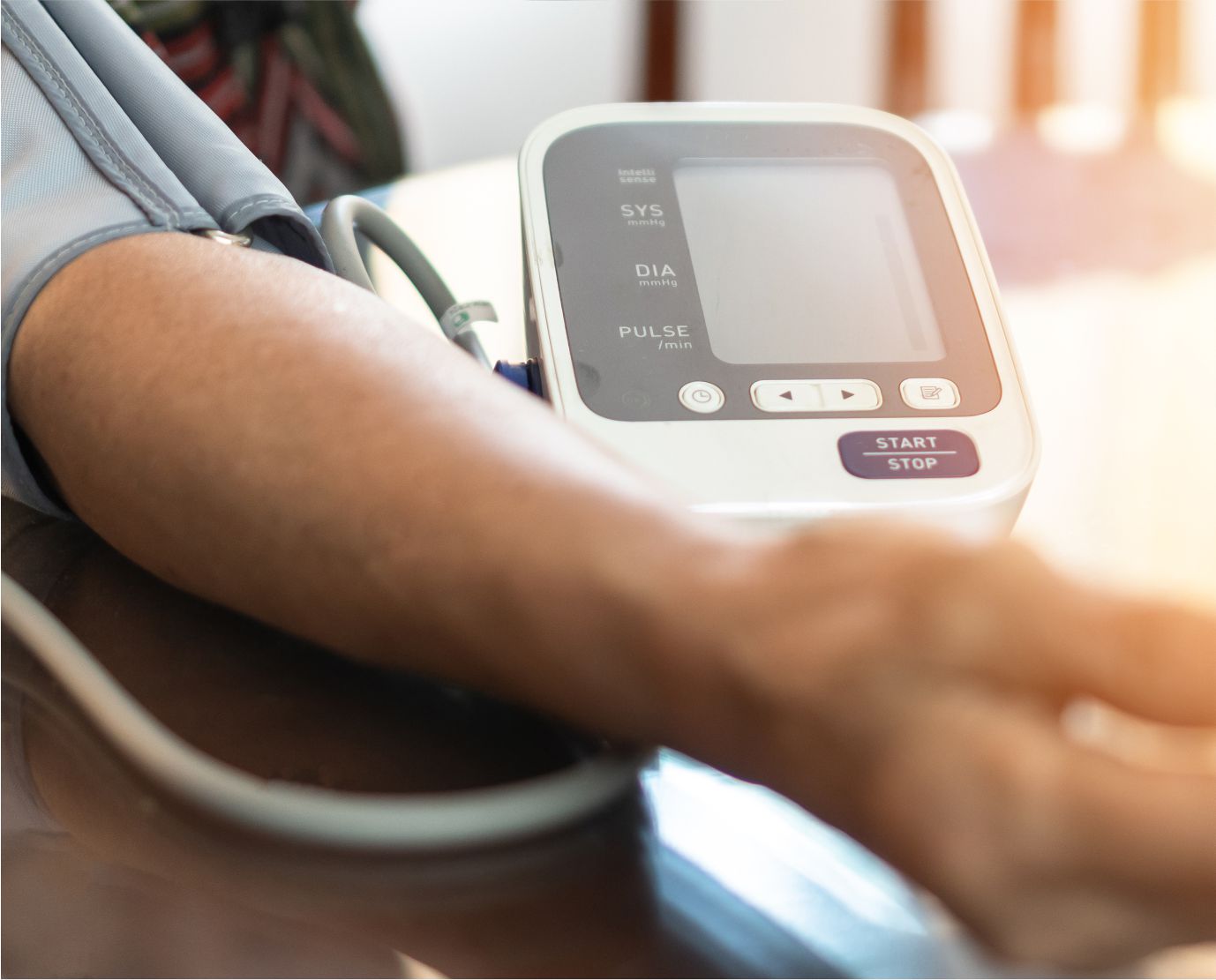
The treatment of heart failure is varied. Lifestyle modification is essential for proper control of heart failure by :reducing salt intake (<5g / day), reducing fluid intake to 1.5-2l / day in severe forms and regular monitoring of body weight (an increase in > 2kg in 3 days suggesting fluid retention), optimal control of cardiovascular risk factors (eg smoking /alcohol consumption, weight loss, monitoring of blood pressure at home, periodic monitoring of lipid and glycemic profile in patients diabetics).
Pharmacological treatment involves multiple classes of drugs that aim to improve symptoms, improve heart function and reduce mortality.
It must be individualized in each patient by a cardiologist, according to the European guidelines in force, depending on the type of heart failure and the associated comorbidities.
In some cases the pharmacological treatment is not enough, it is necessary to resort to an interventional/surgical treatment that involves: implantation of special devices (cardiac resynchronization therapy, implantable defibrillator), coronary revascularization by implanting a stent or performing an aortocoronary bypass, replacing a dysfunctional valve.
Despite maximal therapy, heart failure may progress to advanced stages, with indications for ventricular assist devices, as a bridge either to the recovery of heart function, or to a heart transplant, or as a final destination in patients ineligible for heart transplantation.
The article was written by Dr. Ionela - Simona Visoiu, Cardiology specialist