


How does diabetes affect blood vessels?

Diabetes mellitus is a relatively quiet disease in which premature unforeseen vascular complications can lead to kidney failure, peripheral artery disease, blindness, or myocardial infarction.
Content
- What are the factors that contribute to the increased risk of developing heart disease or blood vessels diseases?
- How can you significantly reduce your risk of developing heart disease or arterial disease
In this condition, the health of the blood vessels plays a very important role, because they are the basis of the micro-vascular complications of diabetes, such as diabetic retinopathy, diabetic neuropathy and diabetic nephropathy.
In the case of diabetic retinopathy, early screening is essential, as it can progress to a permanent eye injury before any symptoms appear. The methods used to treat diabetic retinopathy are based on the use of laser or certain local injections that can prevent any further progress but do not make the disease reversible.
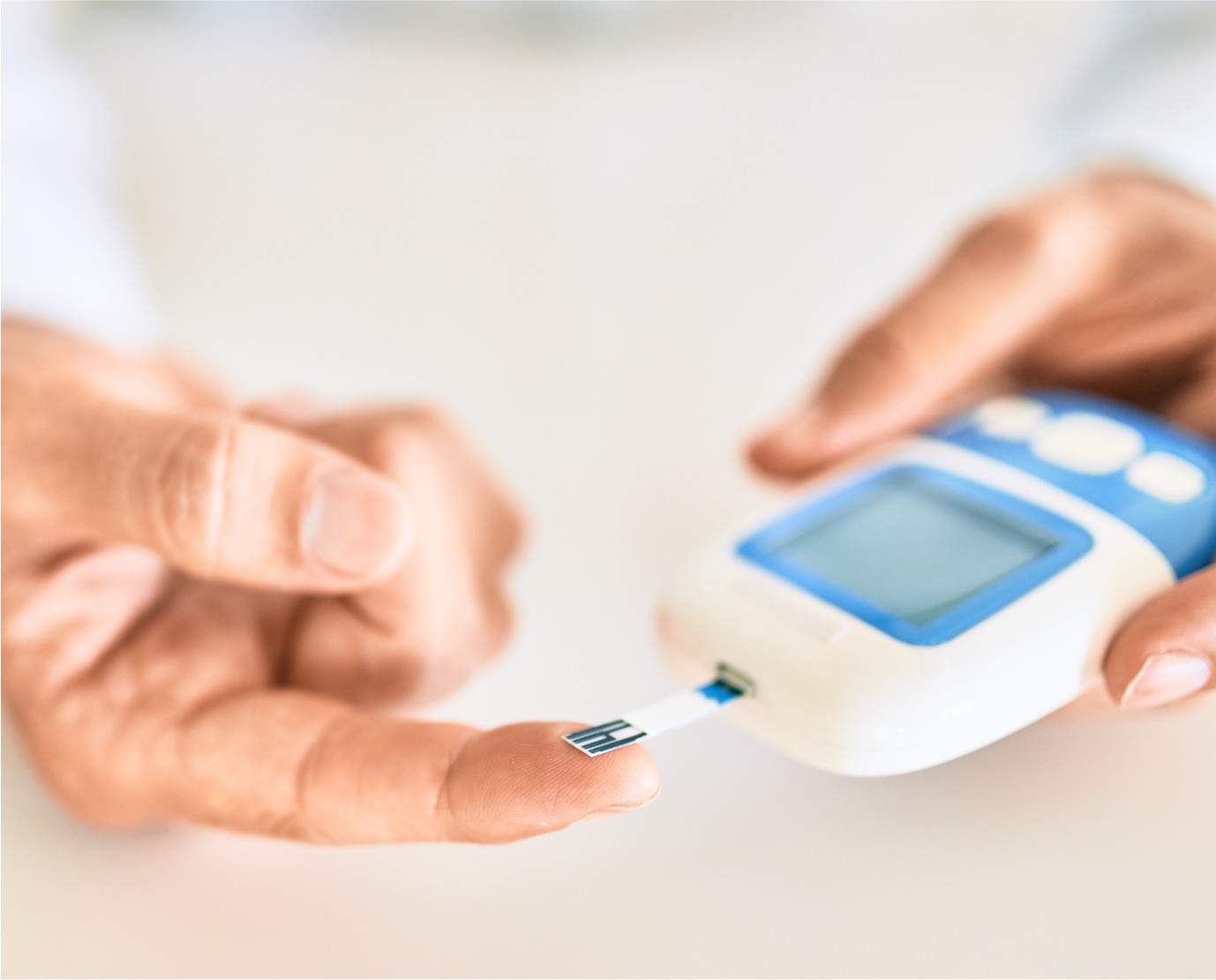 Diabetic neuropathy exists in several forms, such as distal symmetrical polyneuropathy, autonomic neuropathy, radiculopathy, mononeuropathy, and multiplex mononeuropathy. Annual screening is also important and should be performed at the onset of type 2 diabetes or 5 years after the onset of type 1 diabetes. . This involves controlling blood pressure, serum cholesterol and especially blood glucose.
What are the factors that contribute to the increased risk of developing heart disease or blood vessels?
- High glucose levels
- High blood pressure (> 140/80)
- Family history of heart disease (if blood relatives have had heart disease, you have a higher risk)
- Inactive or sedentary lifestyle
- Smoking
- High cholesterol levels
- Being overweight (especially if body fat is located mainly around the waist)
- How long have you had diabetes (you are more at risk if you have had diabetes for more than 10 years)
You can significantly reduce your risk of developing heart disease or arterial disease by:
- Quitting smoking
- Doing regular exercises (20-30 minutes most days of the week)
- Achieving a healthy body weight
- Obtaining optimal blood cholesterol levels, blood pressure and blood glucose levels (through exercise, healthy eating and medication, if necessary)
- Weight loss, if you are overweight
At the root of all vascular complications is poor glycemic control, so one of the most important measures to prevent damage to blood vessels is to maintain an optimal level of glucose in the blood.
The article was written by Dr. Grigorina Mitrofan, Diabetes, nutrition and metabolic diseases specialist.