


Vascular Ischemic stroke

Ischemic stroke is the second leading cause of death and one of the leading causes of morbidity all over the world. Those who survive often deal with permanent sequelae, with marked impairment of quality of life.
In addition to regular visits to the doctor and follow-up of all prescribed treatments, control of risk factors remains the most important method of prevention.
Content
- What is a stroke?
- Why is it an ischemic stroke?
- Symptoms of ischemic stroke
- The diagnosis of stroke
- Methods of treatment and secondary prevention of stroke
What is a stroke?
Ischemic stroke is a heart attack caused by a blockage of a blood vessel. Stopping blood flow is followed by hypoxia (lack of oxygen) and subsequent irreversible necrosis in the affected vascular area.
Why is an ischemic stroke?
Numerous risk factors are related to the occurrence of ischemic strokes. Among them, some risk factors are unchangeable, such as age, sex (increased risk for men), race, family history of cardiovascular disease and certain genetic conditions.
Moreover, it is important to keep modifiable risk factors under control (those that can be avoided, controlled, or eliminated):
- high blood pressure
- diabetes
- smoking
- dyslipidemia
- alcohol consumption
- sedentary
From an etiological point of view, strokes can be caused by the following mechanisms: 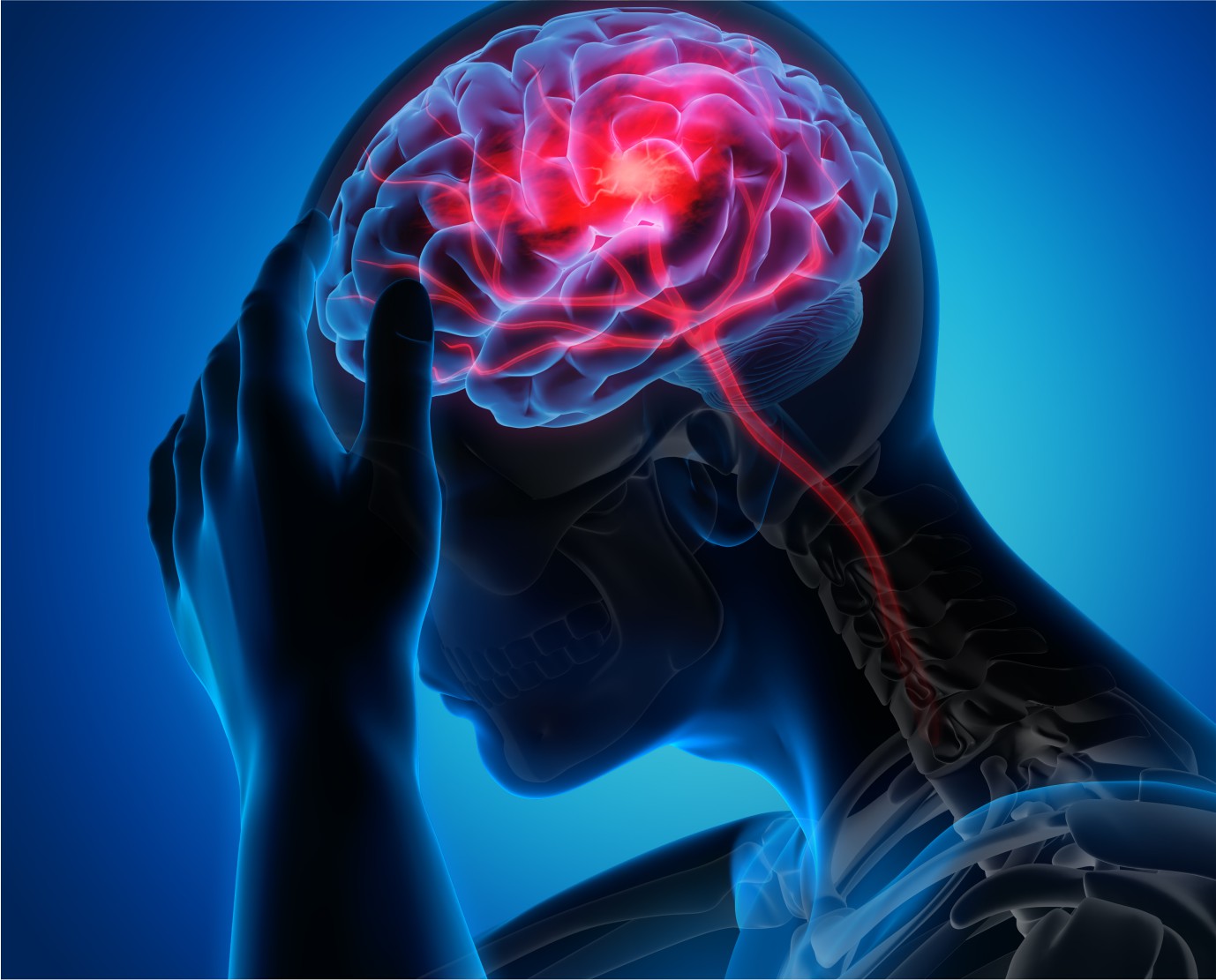
- thrombosis (local obstruction of the vessel by processes of atheromatosis, fibromuscular dysplasia, dissection, etc.)
- embolic (migration of a material (most often a blood clot, but there may be other materials involved) to a cerebral vessel where it is occluded. The sources of embolism can be cardiac, arterial or paradoxical.
- systemic hypoperfusion (extremely low blood pressure, usually associated with shock, with secondary suffering of all organs and including the brain)
- rare causes, such as blood disorders or coagulopathies, etc.
Symptoms of ischemic stroke
The symptoms and signs of an acute ischemic stroke are influenced by the size, location and number of areas of the infarction. Manifestations can be multiple, but the most common include sudden motor deficit, usually on one half of the body, disorders of numbness (numbness or tingling) or vision, speech or pronunciation disorders, neurological deficits in the skull ( cranial nerves) such as facial asymmetry, difficulty swallowing, double vision, etc.
It should be noted that the symptoms associated with a stroke show an acute, sudden onset (it installs in a few minutes, maximum hours).
Diagnosis of stroke
The diagnosis of acute ischemic stroke is established based on emergency clinical and imaging data! Acute ischemic stroke is an absolute emergency, and presenting to the emergency room as soon as possible is vital!
In the first 4.5 hours after the onset of symptoms (and in some cases up to 6 hours), doctors may try to restore blood flow to the affected vessel through revascularization procedures (thrombolysis or mechanical thrombectomy).
Methods of treatment and secondary prevention of stroke
Once the acute stage is over, patients will receive chronic treatment at home based on the cause of their stroke. Some patients will receive antiplatelet therapy, while others will be given long-term anticoagulants.
Most patients will receive statin treatment.
Control of risk factors should be a central element of secondary prophylaxis, by adjusting the regimen and changing lifestyle.
Doctors may indicate other investigations or procedures to perform, either for secondary prophylaxis (prevention) of a new stroke, or to continue etiological investigations.
These investigations may include Doppler ultrasound of the cervical vessels, monitoring of blood pressure or heart rate on an outpatient basis, echocardiography, etc.
The article was written by Dr. Vlad Tiu - Neurologist